

2026 NFL Draft Recap
Instead of winners and losers, here’s one word to describe each team following the draft.

A lack of mystery surrounding the #1 pick. Not enough high-level quarterbacks. Nine offensive linemen taken in the first round. “Underwhelming” is a word that could be used to describe the 2026 NFL Draft. After all, there wasn’t a falloff like the one Shadeur Sanders endured last year that kept people watching through Day Three.
However, the draft is really a time for bad teams to get better, good teams to become great, and some teams to confuse their fanbase. Now that it’s over, we can begin to get a handle on how each team will look come September. I’ve come up with one word that I think best describes each team. This could reflect how a team acted during the draft, their situation/mindset following the draft, or how I feel about their upcoming season as a whole.
Raiders: Rebuild
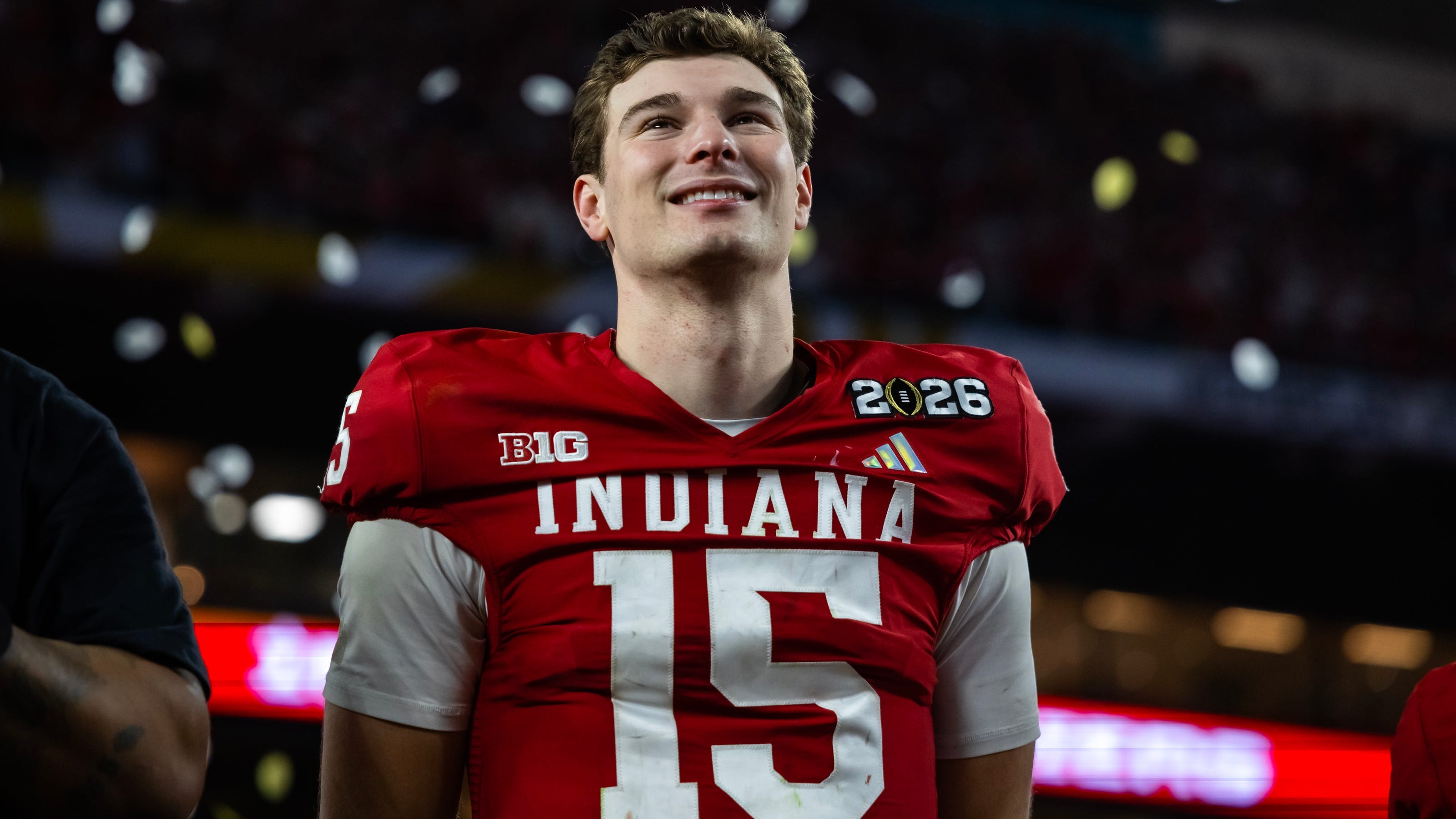
Las Vegas’s QB of the future is here in Fernando Mendoza, but his top receiver is his tight end. While Brock Bowers is a maniac, having a true #1 receiver would make me a little more confident about the Raiders, but most of their picks went towards reinforcing the defense. Regardless, their chances of being the worst team in the league have fallen drastically.
Jets: Talented
The Jets made three selections in the first round, taking talented edge rusher David Bailey, wildcard tight end Kenyon Sadiq, and a top receiver in Omar Cooper Jr. Splashes further into the draft included corner D’Angelo Ponds and quarterback Cade Klubnik. For no reason at all, I’d like to remind you that the current QB room consists of Geno Smith, Brady Cook, and Bailey Zappe. The Jets have 3 firsts next year and could become one of the flashiest rosters in the league, on paper.
Cardinals: Overconfident
Taking Notre Dame RB Jeremiyah Love at #3 isn’t insane, but it’s also not very smart, given who made the selection. Arizona is a team with many needs, and if they didn’t want to select Arvell Reese, who was available, there should’ve been an enticing option to trade down and acquire some additional picks. This would have allowed them to add multiple meaningful pieces to a defense that has to contend with the powerful offenses of the NFC West or bolster an offensive line that needs to protect Jacoby Brissett, Carson Beck (who was selected in the third round), or whichever 2027 quarterback they select.
Titans: Weaponized
Ohio State receiver Carnell Tate became Tennessee’s top option for QB Cam Ward. On the other side of the ball, they took Keldric Faulk (EDGE) and Anthony Hill Jr. (LB) at picks 31 and 60. The Titans didn’t make another selection until the fifth round, but in an AFC South that always seems to feel up in the air, Tennessee is starting to look like it can compete with the Texans, Jaguars, and Colts.
Giants: Lucky
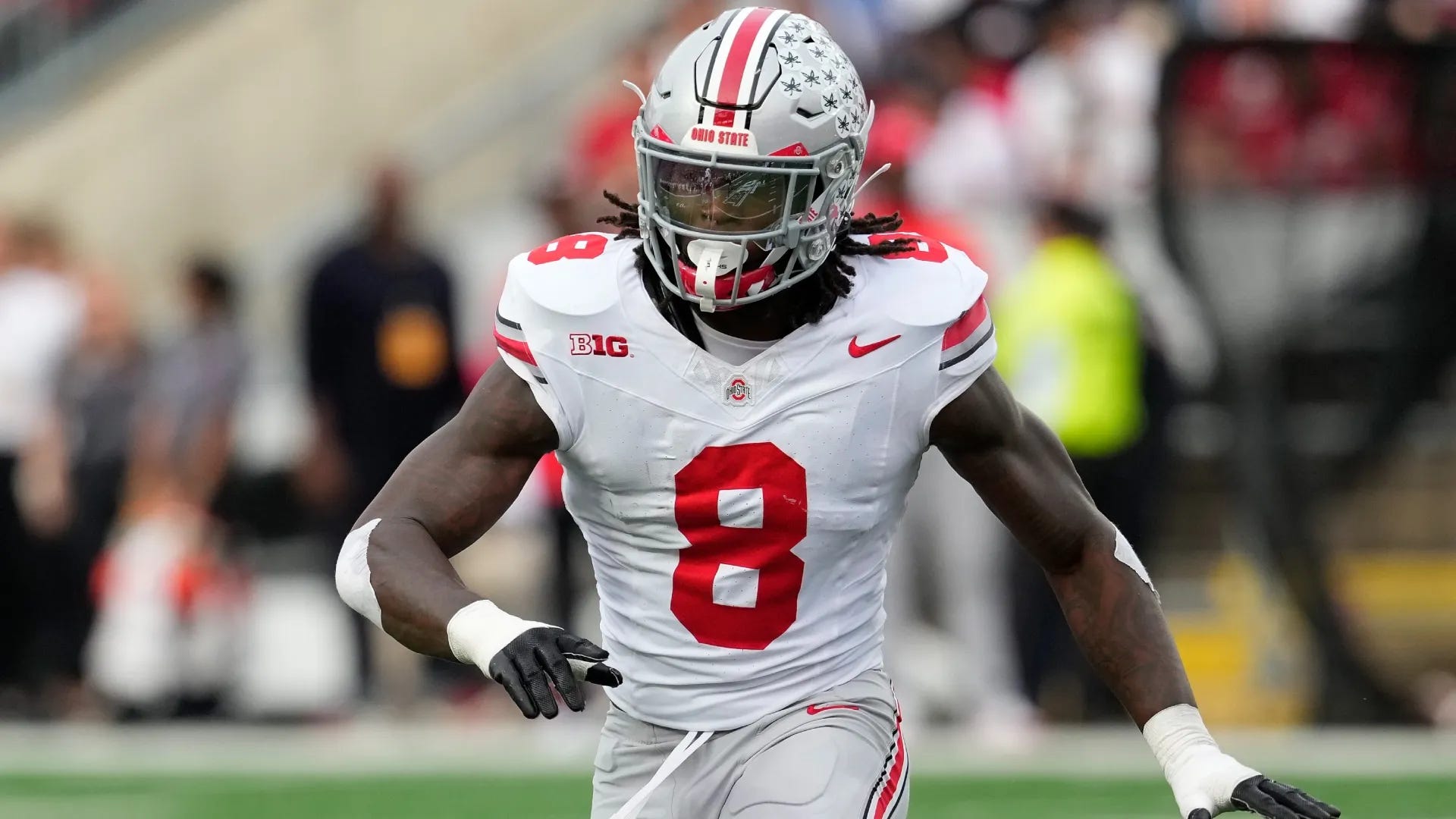
Arvell Reese, the intriguing EDGE/Linebacker hybrid, fell to 5th, allowing the Giants to pair him with Brian Burns and Abdul Carter along their defensive front. Additionally, a trade with the Bengals delivered the 10th overall pick to New York, which became offensive tackle Francis Mauigoa. In a dream scenario for Giants fans, Reese has become an exciting young addition to a team that could make a statement in 2026, while Mauigoa is an excellent protective piece for QB Jaxson Dart. In the second and third rounds, the team added cornerback Colton Hood and receiver Malachi Fields.
Browns: Smart
Instead of taking a big swing on a skill player they weren’t ready for (like Arizona), the Browns traded out of their pick for the second year in a row, acquiring the 9th pick and more by moving out of the 6th position. With five picks in the first three rounds, Cleveland added to their o-line with offensive tackles Spencer Fano and Austin Barber, picked up a potential game-changer in safety Emmanuel McNeil-Warren, and transformed their receiver corps with KC Concepcion and Denzel Boston. With useful additions in later rounds as well, the Browns seem to be rounding a corner. All they need is a quarterback.
Commanders: Youth
The oldest roster in the NFL saw great success in 2024, reaching the NFC Championship, but they fell apart in 2025 thanks to several injuries. With the selection of linebacker Sonny Styles at 7th overall, the Commanders are hoping to reignite a group that made it to the NFC Championship two years ago. New blood in the form of WR Antonio Williams and RB Kaytron Allen gives third-year QB Jayden Daniels new options, as Washington tries not to lose its energy.
Saints: Risky
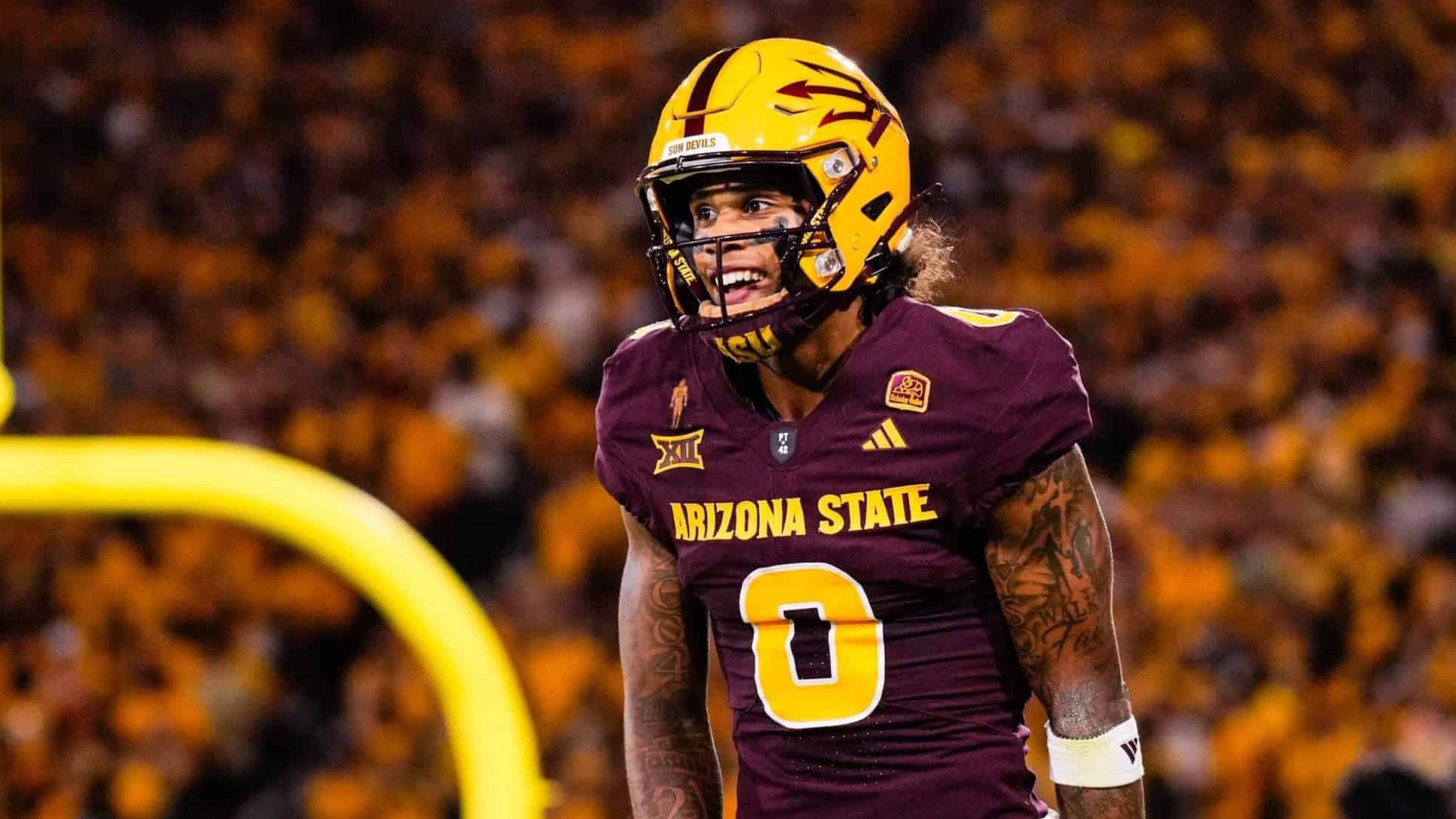
The Saints seem to be entering 2026 with Tyler Shough as their starting QB. With that decision comes the need for more receivers, and the Saints selected three during the draft. Jordyn Tyson from Arizona State will be at the top of the depth chart alongside Chris Olave, forming an injury-prone duo. Olave has suffered three concussions since 2022, while Tyson sustained torn ligaments and a broken collarbone during his college career.
Chiefs: Advantageous
The Chiefs haven’t selected in the top 10 since they took Patrick Mahomes in 2017, and they made the most of it. Selecting three exciting defensive players in the top 40, Kansas City began rebuilding its cornerback room with Mansoor Delane while injecting some youth into its defensive line with Peter Woods and R Mason Thomas.
Bengals: Vulnerable
In an effort to make up for the loss of edge rusher Trey Hendrickson, Cincinnati traded away its first-round pick to acquire Dexter Lawrence and drafted Cashius Howell from Texas A&M at #41. The lack of draft capital spent towards protecting Joe Burrow is a little concerning, however. The Bengals took two o-linemen in the 4th and 6th rounds.
Dolphins: Loaded
With 13 picks (6 in the top 100), the Dolphins were able to address a lot of blind spots. Additions on defense with cornerback Chris Johnson and linebackers Jacob Rodriguez, Trey Moore, and Kyle Louis. Tools for new quarterback Malik Willis in receivers Caleb Douglas, Chris Bell, and Kevin Coleman Jr. Even a bit of a reach at #12 delivered offensive tackle Kadyn Proctor, who could become a staple for the developing team’s o-line.
Cowboys: Recovering
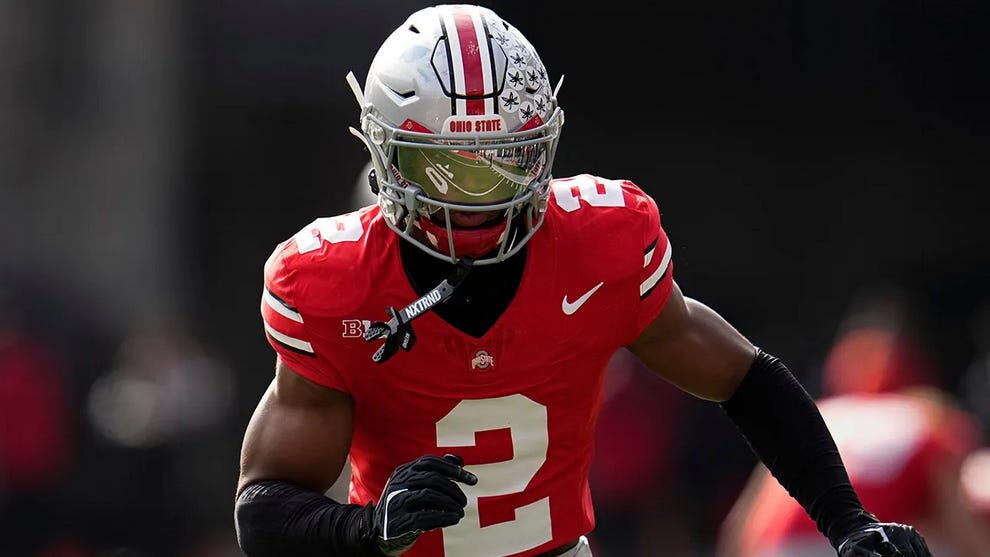
After trading Micah Parsons to Green Bay, Dallas’s defense fell off a cliff. They answered by taking three edge rushers, a corner, and safety Caleb Downs, who many said was a top-five talent in the class. Six of their seven picks were in the first four rounds, meaning many of their selections have a decent chance to start this season.
Falcons: Precipice
To me, the Falcons are the definition of being “a quarterback away” from being something interesting. Michael Penix Jr. and Tua Tagovailoa make up the QB room, but the defense has some fun pieces, the running back is elite, and the receivers are threatening. It helps, of course, that Atlanta is in the NFC South. With only six picks, however, there weren’t a ton of additions they could make. They selected CB Avieon Terrell, whose brother is also a Falcon, with their first pick (#48) before picking up WR Zachariah Branch in the middle of the third.
Ravens: Patchwork
Injuries decimated the Ravens last season, with Lamar Jackson being just one of the players who missed substantial time. Still, Baltimore came within a field goal of making the playoffs and used this draft to fill the needs that injuries made obvious. Vega Ioane joins the offensive line, Zion Young and Chandler Rivers hop on the defense, and four passcatchers, including USC’s Ja’Kobi Lane and Indiana’s Elijah Sarratt, provide some depth to the offense.
Buccaneers: Steal
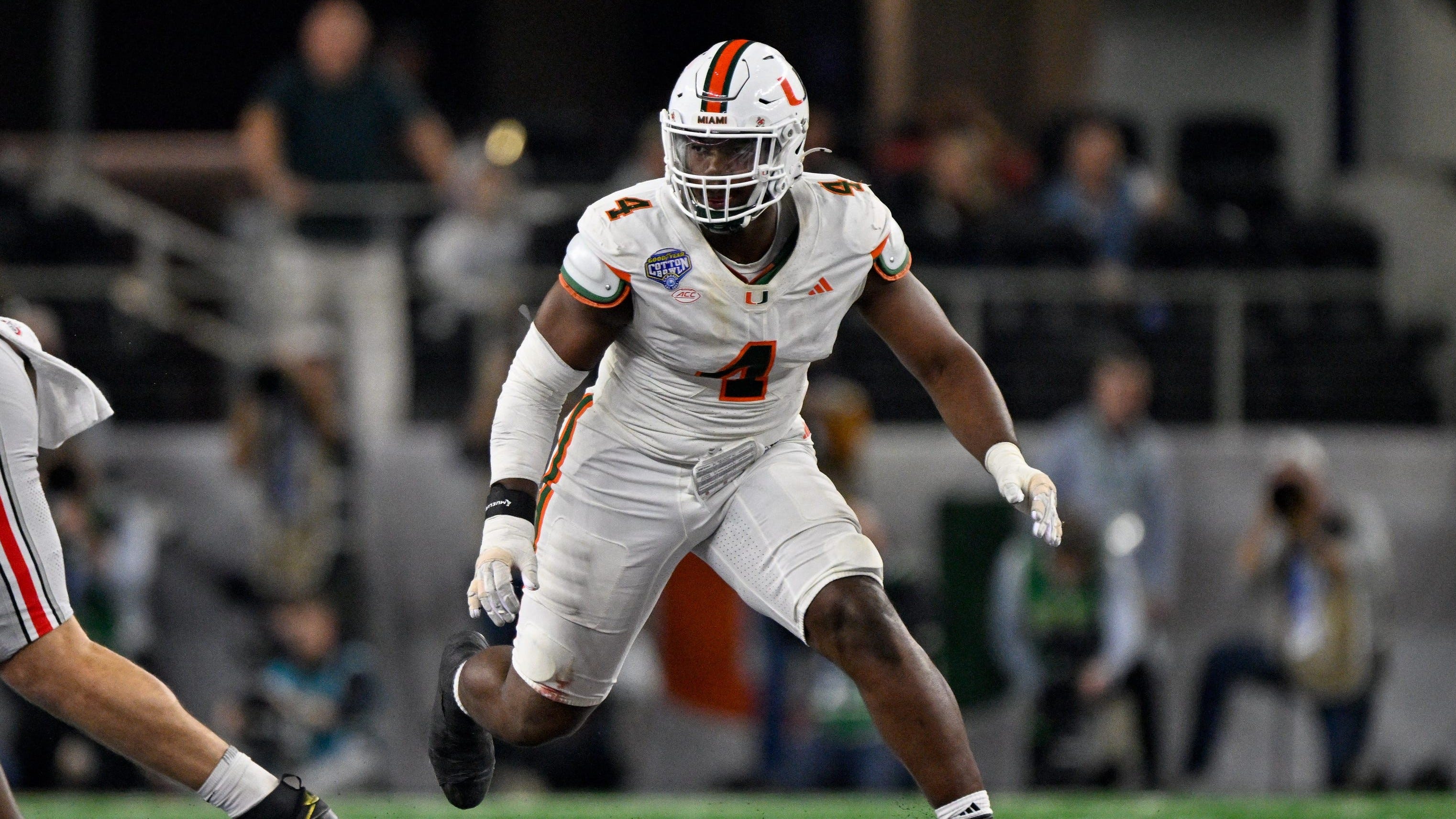
Tampa Bay got Miami edge rusher Rueben Bain at #15, despite most draft experts believing he would be taken in the top ten. An automobile accident from a few years ago may have impacted his draft stock, but his production last year was too tempting for the Bucs to pass on. They went on to add more on defense with Josiah Trotter at linebacker and Keionte Scott at corner.
Colts: Overcommitted
Thanks to a trade with the Jets that delivered CB Sauce Gardner, Indianapolis has no first-round picks for 2026 or 2027. They also agreed to pay QB Daniel Jones and WR Alec Pierce $44 million and $29 million per year, potentially limiting their ability to acquire big-time players in free agency. Draft-wise, they focused on defense, selecting linebacker CJ Allen and safety AJ Haulcy with their two top-100 picks.
Lions: Rebound
After losing Detroit staples like Taylor Decker and Alex Anzalone, Detroit picked OT Blake Miller with their first pick. They then added to the defense with EDGE Derrick Moore and LB Jimmy Rolder in the second and fourth rounds. Coming off a last-place finish in the NFC North, the Lions could still prove to be in their championship window if their cards fall right.
Vikings: Massive
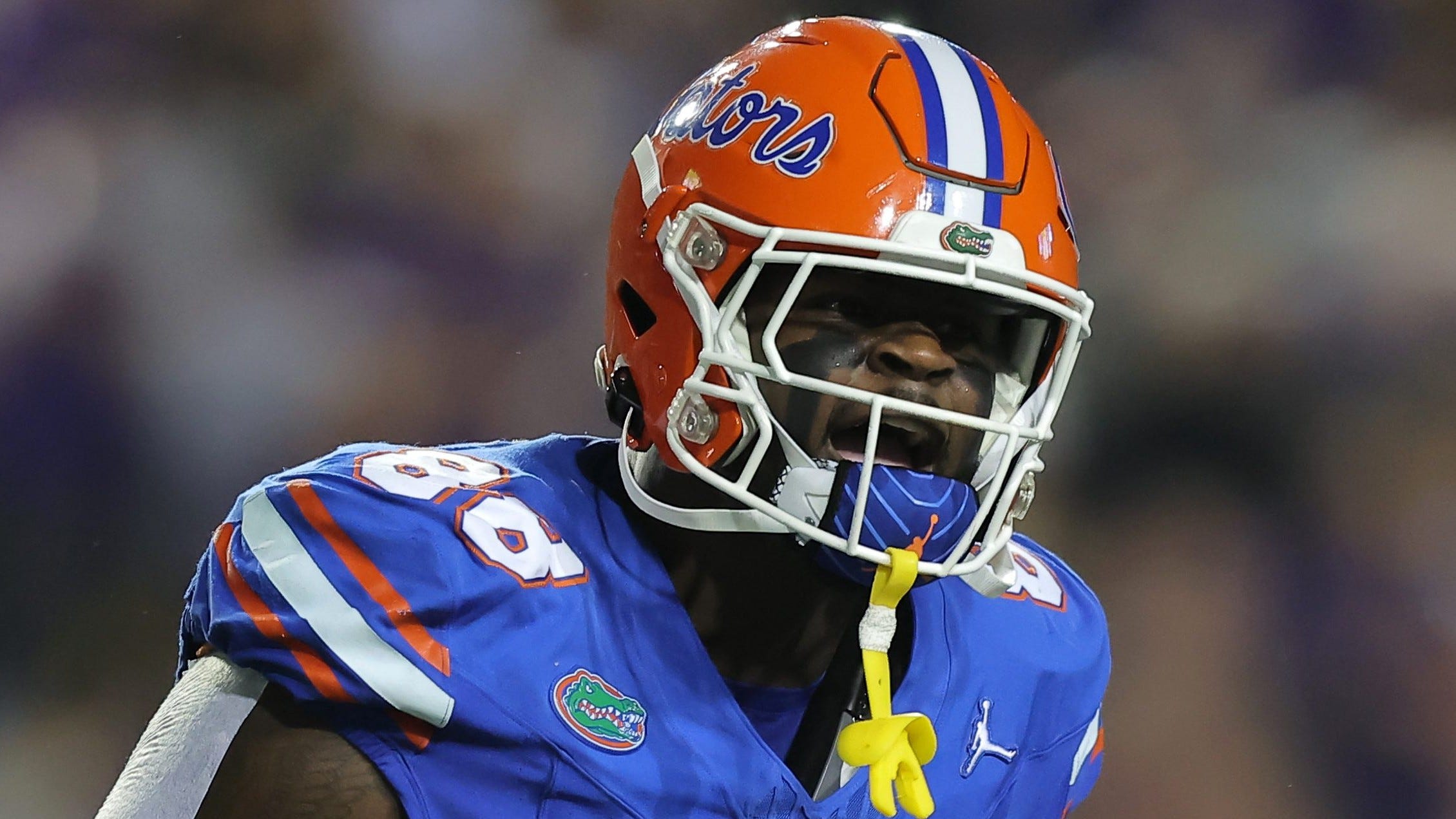
Minnesota’s first-round pick might have broken his foot at the Combine, but that doesn’t make him any less intimidating. DT Caleb Banks weighs nearly 330 lbs and will act as a defensive anchor for the Vikings when recovered. If his injuries persist, third-round pick Domonique Orange plays the same position and weighs in at about 320. LB Jake Golday and S Jakobe Thomas were also taken in the third round, as was OT Caleb Tiernan.
Panthers: Support
In my opinion, the Panthers had one job entering the draft: make life easier for Bryce Young. The selection of offensive tackle Monroe Freeling in the first round does this. So does picking up receiver Chris Brazzell II in the third. If Carolina can make Bryce Young more productive, they could find themselves on top of the NFC South once again. And maybe this time they’ll have more wins than losses.
Packers: Streamlined
Green Bay only made 6 picks, their fewest since 2004. However, as a biased fan, I think they got what they needed. Cornerbacks Brandon Cisse and Domani Jackson enter a struggling position group. Defensive tackle Chris McClellan and edge rusher Dani Dennis-Sutton provide depth to a lopsided pass rush. Even Green Bay’s final pick, kicker Trey Smack, is aimed at addressing the problems that played a crucial role in the Packers’ postseason collapse.
Steelers: Safe
With 10 picks and uncertainty surrounding Aaron Rodgers’s return, the Steelers opted for depth, selecting two o-linemen, a potential WR3, and a quarterback who could see some starts if Rodgers is still MIA. Beyond that, they added some bodies in the secondary and picked up a tight end.
Chargers: Essentials
The most glaring issue for the Chargers last season was the offensive line, and they made sure to address it. They used four of their eight picks on o-linemen, including Florida’s Jake Slaughter and Memphis’s Travis Burke in the second and fourth rounds. They also selected Miami EDGE Akheem Mesidor at 22nd overall and an additional receiver, Brenen Thompson from Mississippi State, at #105.
Eagles: Horizons
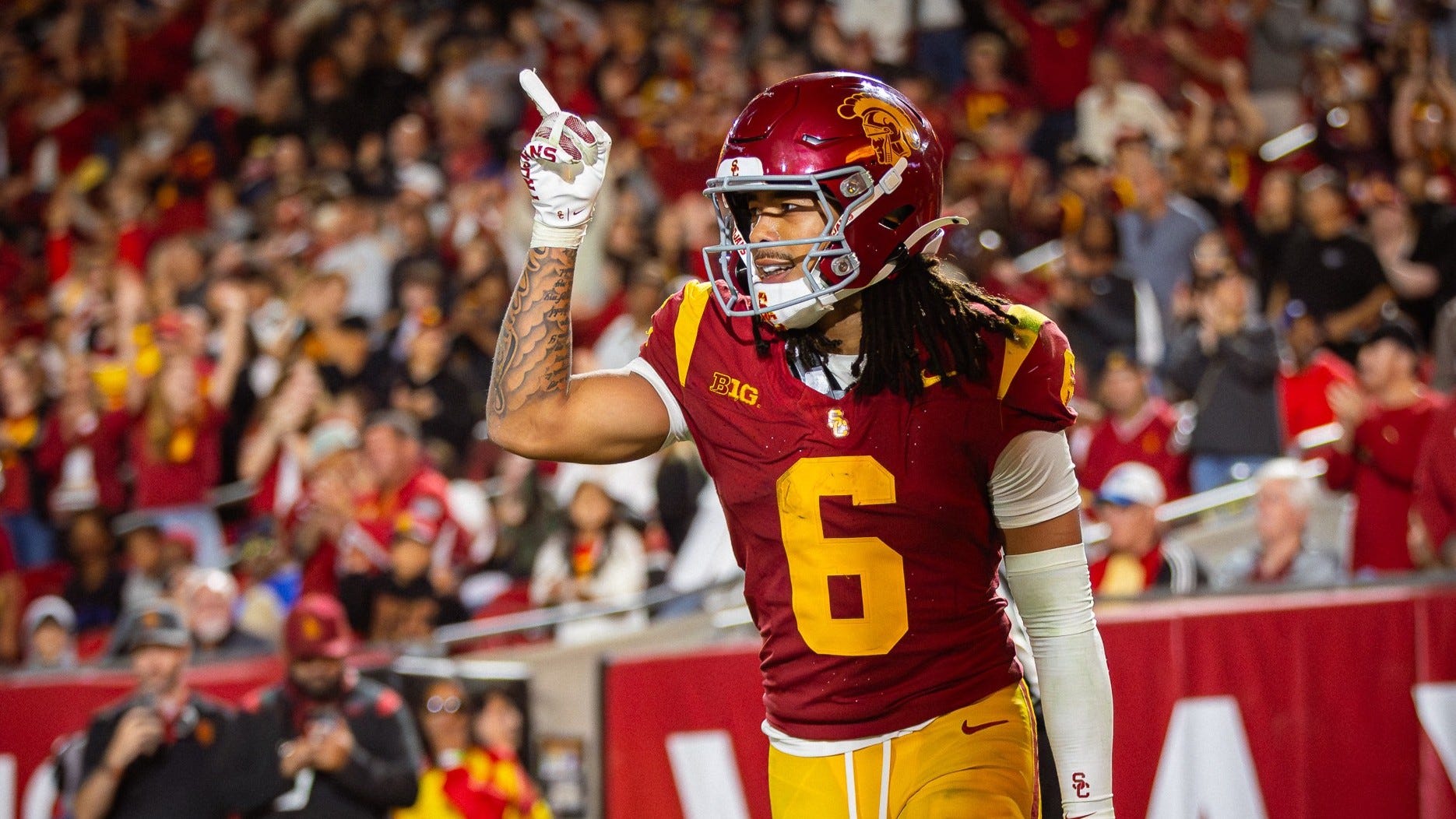
Just two weeks after trading for Green Bay receiver Dontayvion Wicks, the Eagles selected WR Makai Lemon with the 20th pick. These moves coincide with rumors of a June 1st departure for star receiver A.J. Brown, marking a reinvention of Philly’s offense. A second-round selection of tight end Eli Stowers also hints that Dallas Goedert, who turns 32 this season, might be shown the door as well.
Jaguars: Irrational
On average, eight of Jacksonville’s ten picks were taken 50 spots earlier than consensus. The other two picks were not listed on any of the most popular draft boards. Their first pick, which came in the back half of round two, was a blocking tight end who was projected to go about 100 picks later. The reaches continued down the board, but at least their three third-round selections were at positions of need (defensive tackle, o-line, safety).
Bears: Progress
This year marked Chicago’s first defensive pick in the first round since 2018, signaling that they finally feel positive about their offense after winning the NFC North last season. The pickup of TE Sam Roush in the third is a little odd, considering that Colston Loveland and Cole Kmet already make a solid one-two at the position, but C Logan Jones, WR Zavion Thomas, and CB Malik Muhammad could all find immediate opportunities.
Bills: Scattered
By trading out of the first round, Buffalo kept their options open and selected players from nine positions with their ten picks. Defense seemed to be top of mind, with EDGE T.J. Parker and CB Davison Igbinosun being taken in the second round, but Josh Allen received some backup in the form of OT Jude Bowry and WR Skyler Bell in the fourth. The Bills still have the Super Bowl in their sights, but they need to make it all the way before teams like New England and Denver leave them in the dust.
49ers: Depth
Most of San Francisco's selections probably won’t earn starting positions this season, but that doesn’t mean this was a terrible draft. Injuries have plagued the 49ers in recent years, so there's a good chance these rookies do end up seeing the field at some point in 2026. Capable players at the receiver and running back positions were taken in the second and third rounds to back up Mike Evans and Christian McCaffrey. Defensively, support for Fred Warner and Nick Bosa was found in the third and fourth.
Texans: Frontlines
Like the Chargers, Houston’s top priority was finding more protection for its young quarterback. The defense is one of the best in the league, and the options at receiver are solid, but the Texans still underperformed in 2025, with CJ Stroud failing to reach the highs of his rookie year. First and fourth-round editions at the guard position were a safe choice. Now Stroud needs to find his groove again.
Rams: Fractured
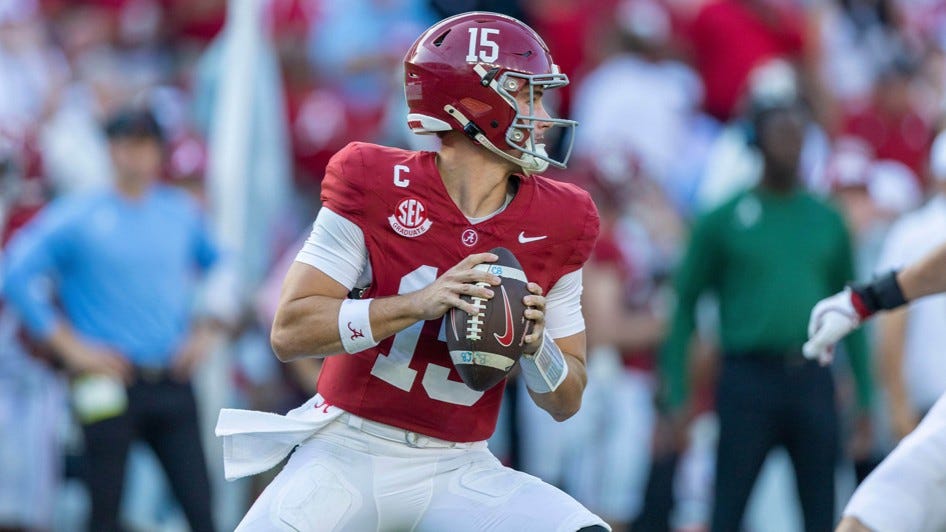
The Rams only had five picks this year and are still in win-now mode with Matt Stafford at QB. However, they made several picks that seemed more focused on the years to come, like selecting Alabama quarterback Ty Simpson at #13 and taking a tight end in the second round for the second year in a row. After the Simpson pick, drama ensued behind the scenes, with reports of Stafford’s anger over the arrival of his replacement forcing head coach Sean McVay to speak coldly about the young quarterback. The Rams are still a Super Bowl contender, but by not picking up a player that can help immediately, they might be causing more harm than good.
Broncos: Backup
Denver’s only major departure during free agency was John Franklin-Myers, and their first-round pick was used to acquire Dolphins receiver Jaylen Waddle. They seem ready to run it back after losing in the AFC Championship with their starting quarterback sidelined due to injury. Their first pick came in the third round when they selected defensive tackle Tyler Onyedim. Down the line, they added depth at running back, o-line, and tight end.
Patriots: Regretful
With their first pick, #28, the Patriots selected an offensive tackle. This wouldn’t be too out of the ordinary if they hadn’t selected a tackle with the fourth(!) overall pick last year. That pick, Will Campbell, looked outmatched throughout the playoffs (although he was facing some pretty terrifying defenses), and the selection of Caleb Lomu could mean that Campbell’s role in New England is being retooled. Other top picks, edge rusher Gabe Jacas and tight end Eli Raridon, were aimed at aging position groups.
Seahawks: Comfortable
Following a Super Bowl win, the Seahawks felt comfortable enough to take a running back who didn’t start a single game during his college career. It’s always a tough decision at #32, and the team did lose running back Kenneth Walker in free agency, so you can understand the pick. The team chose safety Bud Clark and corner Julian Neal in the second and third rounds to replace more players lost over the offseason. This is definitely a roster that can compete for multiple championships, but Seattle needs to stay aggressive.